Using digital media tools, film, and social media platforms, the youth (mostly generation Z) are reshaping identity expression, driving social change, and engaging in new forms of storytelling. Social media platforms have granted the globe access to creating content that is authentic, unique, and which has the potential to make someone’s story go viral. Knowing that the relationship between technology and our daily human lives are simultaneously influential to each other, it is important to highlight how the youth is also redesigning digital media and platforms with their forms of engagement.
Social Platforms and Driving Social and Cultural Change
Platform media has diversified over the past decade, and as time moves, so does the way these platforms are used. Young creators are increasingly using social platforms as tools of self-expression, cultural reference, and activism. There’s TikTok, Meta’s Instagram (including Threads), Facebook, and WhatsApp, there’s still Snapchat, Twitter (now X), YouTube, and Pinterest. All these platforms can be used to amplify storytelling, drive movements, or to create influence and cultural trends. In fact, if we look back to 2016 when the Black Lives Matter Movement (BLM) first emerged, and compare it with the movements’ global resurface in 2020, the monumental difference in support between these two periods is related to the second wave’s virality across social media in the form of hashtags, storytelling, and organised resistance strategies. Similarly to the BLM movement, #FeesMustFall is also a South African youth-led digital movement and during 2015 was used as a tool to generate more social impact.
Between organising social mobilisation, planning events, or delivering a message for the masses, it might be easy to forget how filmmaking and visual media are converging with each other and are both being used to address societal issues or to creatively explore cultural significance. But, we must pay close attention.
Digital Media in Education
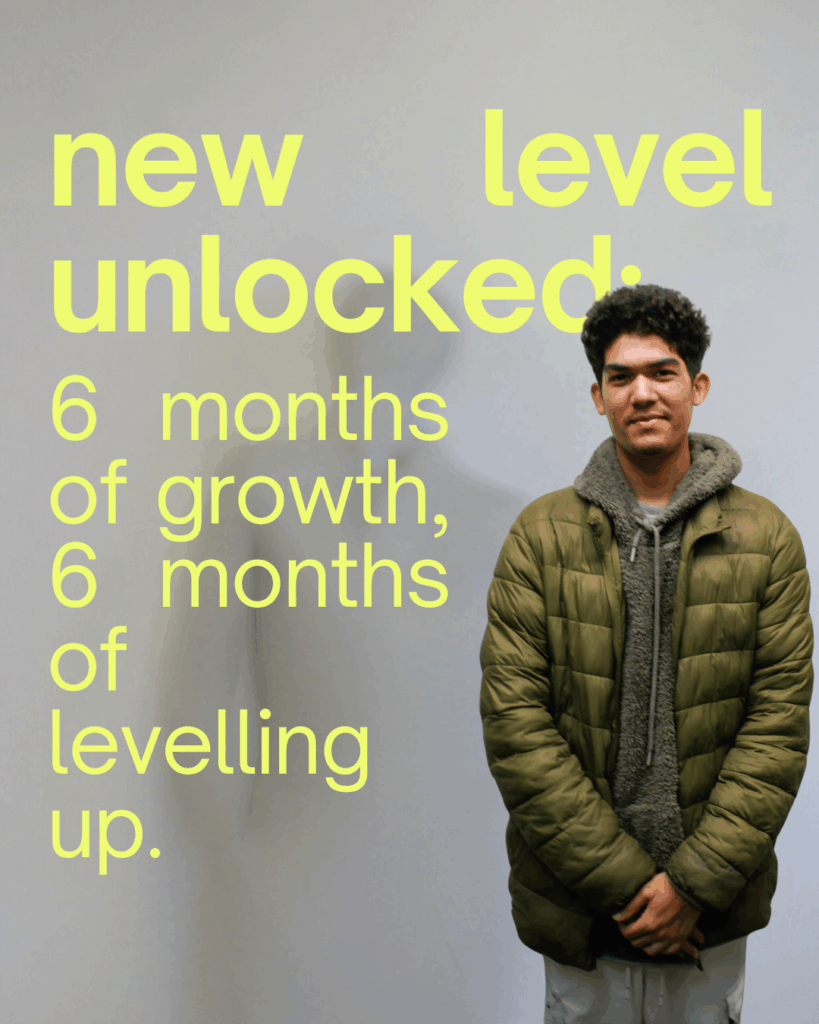
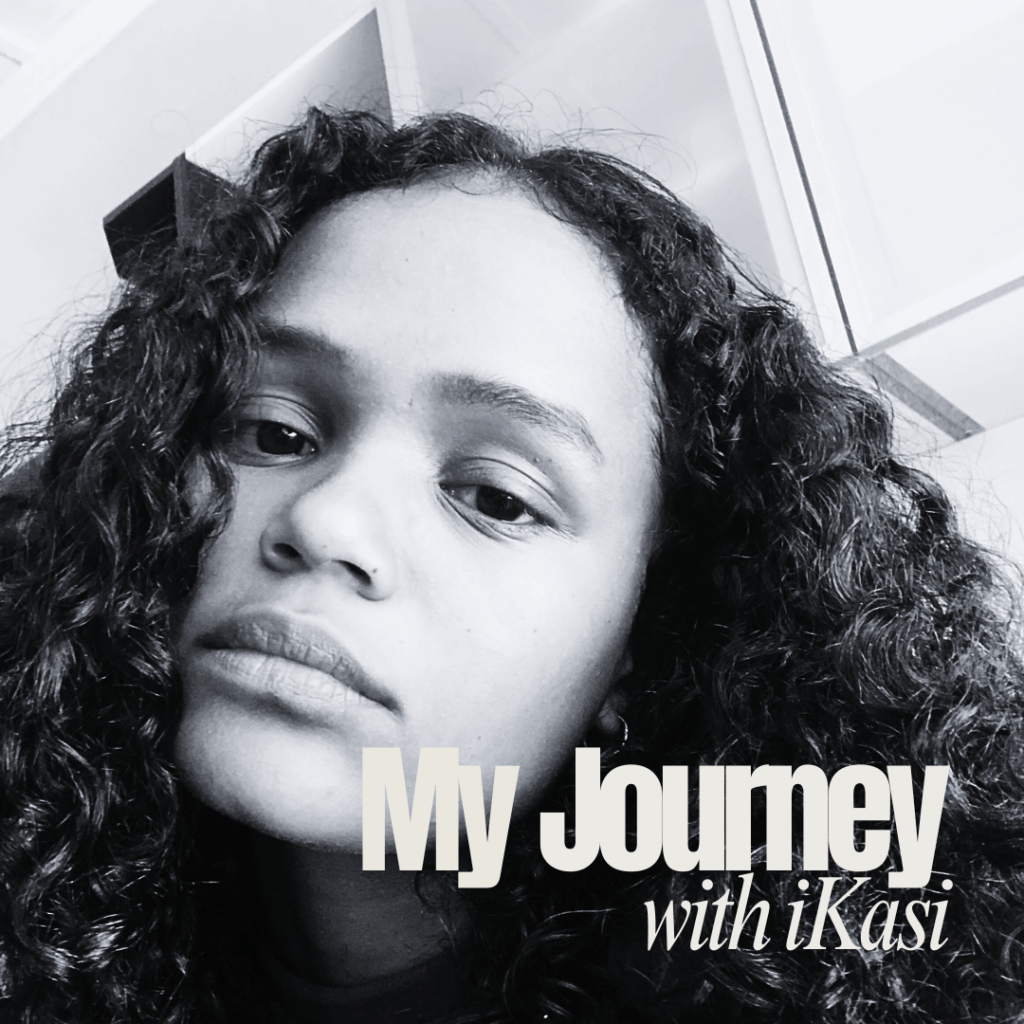
Media studies is not sufficiently integrated into traditional education systems, especially important subjects like media literacy, digital storytelling, and filmmaking. iKasi Creative NPC is a leading gamechanger to this by bringing the opportunity of accredited digital media content creation training to youth without training, education, or experience. The outstanding element of iKasi’s training is not to ‘bring access’ to the areas in focus (i.e. Khayelitsha, Oudtshoorn, Bonnievale), but rather to build accessibility and mobilise youth with practical filmmaking, digital content creation, and soft skills. iKasi is conscious of the fact that digital fluency and storytelling have become central to the organisation of professional, personal, and inter-personal spaces, and so aims to make youth future-ready in providing these opportunities.
“At first it felt overwhelming, but I’ve realised that’s how you grow: by tackling things you didn’t think you could do.”
Lutho Ketelo (Social Media Intern hosted at I-CAN Centre)
Of course, this would not be possible without our funders like MICT Seta and the National Film and Video Foundation (NFVF), and of course not without our mentors and facilitators who share in our vision for youth in media and access to creative industries.
Entrepreneurship and Youth in Digital Media
Young creatives have more accessibility to becoming entrepreneurs and generating income from their projects. There are numerous members of youth that pursue something they are passionate about, and have turned this into a creative project or media content. Platforms like Instagram, Facebook, TikTok, and X have expanded their purpose as creative portfolios or client pipeline directories, offering entrepreneurial growth from behind a screen. This also affords youth the opportunity to drive social change, create community-driven content, build networks, and redefine what success means.
iKasi’s Sallywood Project with TRACE was an initiative to incentivise local digital storytellers and producers to create short reels about the spaces of art, culture, creativity, and community. Creators from Soweto, Langa, and Oudtshoorn created powerful visual content which spotlighted local artists, musicians, and even locations and markets. This project is a good example of integrating community-driven innovation in the digital media spaces, and it is an encouragement for more local youth creators to start making content which highlights and speaks for and with their communities.
Next Generation Storytellers
There is something else that digital knowledge affords youth, and this is the opportunity to take agency and upskill themselves entrepreneurially rather than waiting for employment or taking a standard route to building a career. As previously highlighted, the youth are empowered by this access to the media and digital platforms, and in the same way these platforms are reliant on the youth to establish media culture and the future use of these platforms for the bettering of society and communities. South African creative youth are not waiting for permission to lead, as we are already producing, directing, and expanding innovation in digital spaces. The next generation of greats are here, and they are ready to take on new avenues to promote authentic African storytelling.
Stay in the loop

Article by Jude Hunt
-
THE POWER OF YOUTH IN THE FILM AND MEDIA INDUSTRY
Using digital media tools, film, and social media platforms, the youth (mostly generation Z) are reshaping identity expression, driving social change, and engaging in new forms of storytelling. Social media platforms have granted the globe access to creating content that is authentic, unique, and which has the potential to make someone’s story go viral. Knowing…

Proudly powered by WordPress